
Oulu Löyly Think & Do Fest was organized at the Central Library Saari in Oulu 8–10 June, 2026. It brought together an international mix of open culture advocates, cultural heritage practitioners, researchers and policy makers in Oulu during the near-midnight sun of the Nordic summer. Together we explored acknowledging shared culture as a fundamental pillar of just and resilient societies in a time of accelerating technological, environmental and geopolitical change.
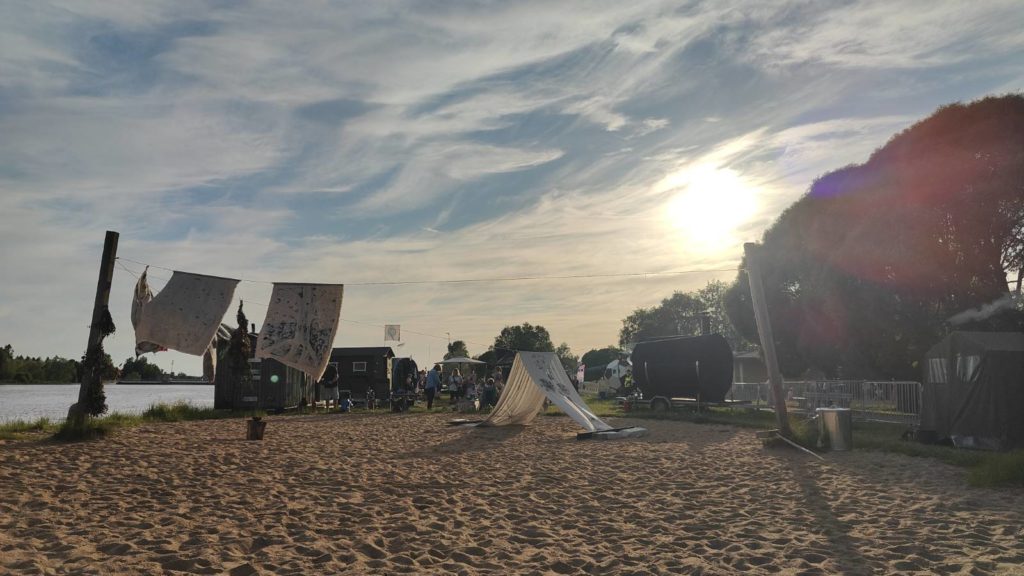
Sauna & sun
Oulu Löyly was the newest iteration of open cultural heritage -related workshops AvoinGLAM has created. The work started with events organized together with Finnish heritage institutions in the series of Hack4FI – Hack Your Heritage hackathons in 2012–2018.
Covid-19 stopped the 2020 Hack4FI only a day before the launch, giving rise instead to Hack4OpenGLAM online hackathons in the context of the Creative Commons Global Online Summits in 2020–2021.
AI Sauna in 2024 started the current sauna-related tradition. It gathered open knowledge advocates, Wikimedia developers, Finnish cultural heritage institutions and researchers to discuss the effect of AI on open cultural knowledge while also exploring the possibilities offered by it.
Oulu Löyly tapped again to the physical power of sauna and sun to bring people together, this time asking how the heritage of even the smallest and most vulnerable communities can survive and remain accessible in the current technological and political climate.
What went in
These themes and topics nurtured our collaborative work:
Culture as a global public good
The underpinning policy question was how culture can be established as a foundational dimension of society. What conditions are needed to ensure that access to cultural heritage, participation in cultural life, and the benefits of knowledge remain open, inclusive, and sustainably safeguarded over time?
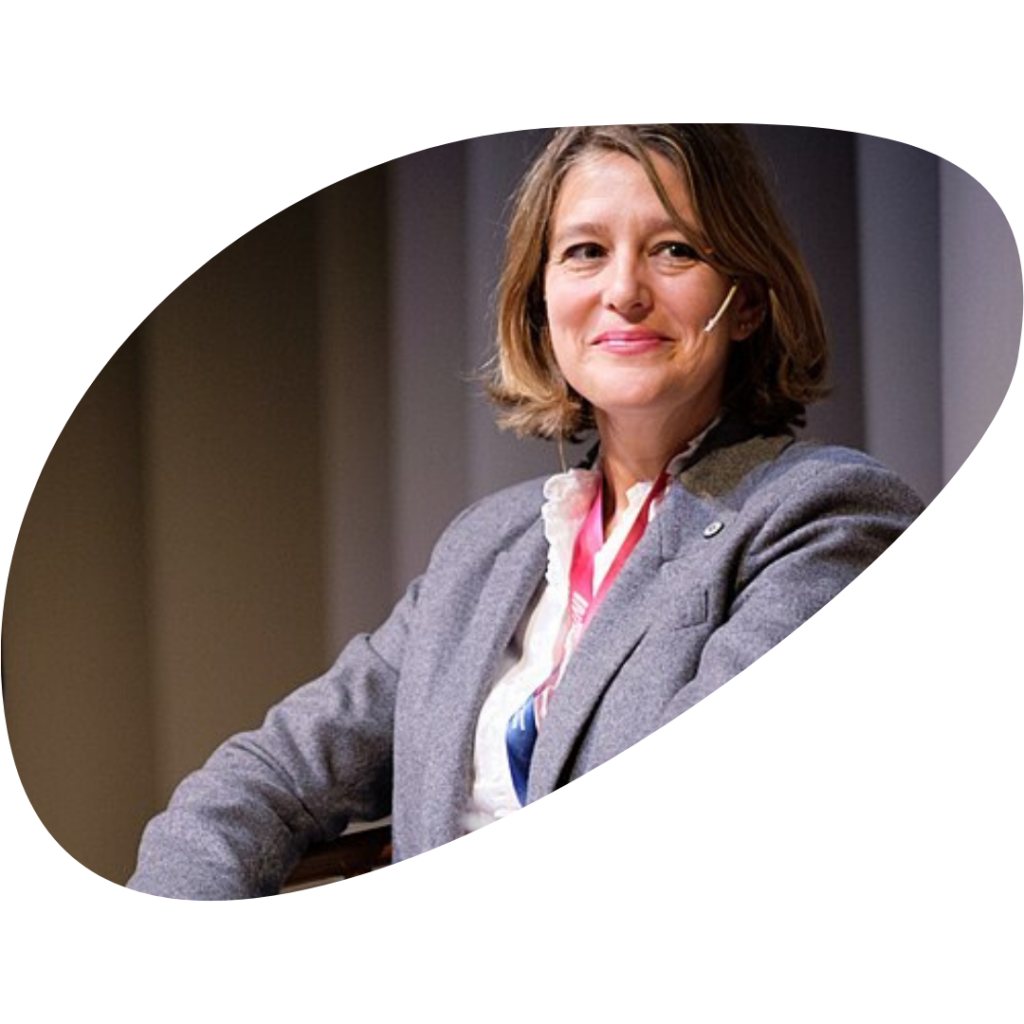
Brigitte Vézina
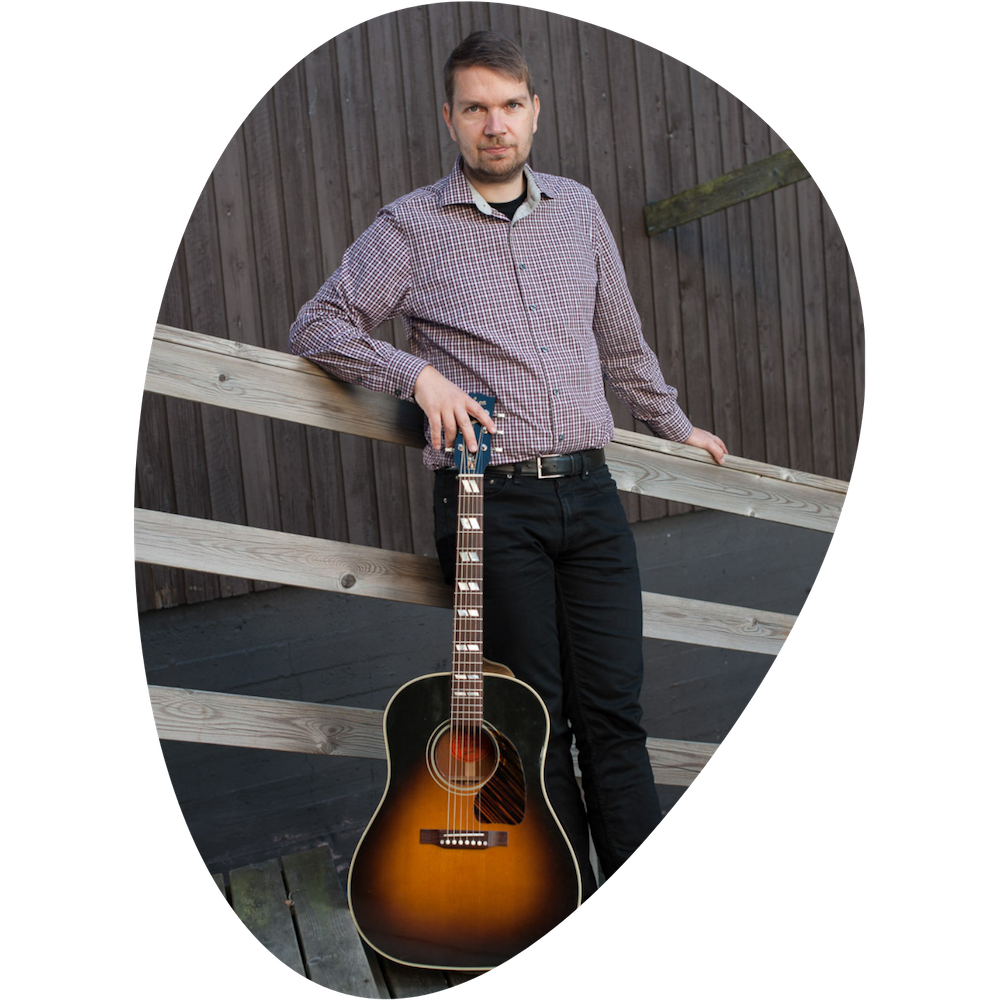
Matti Hakamäki
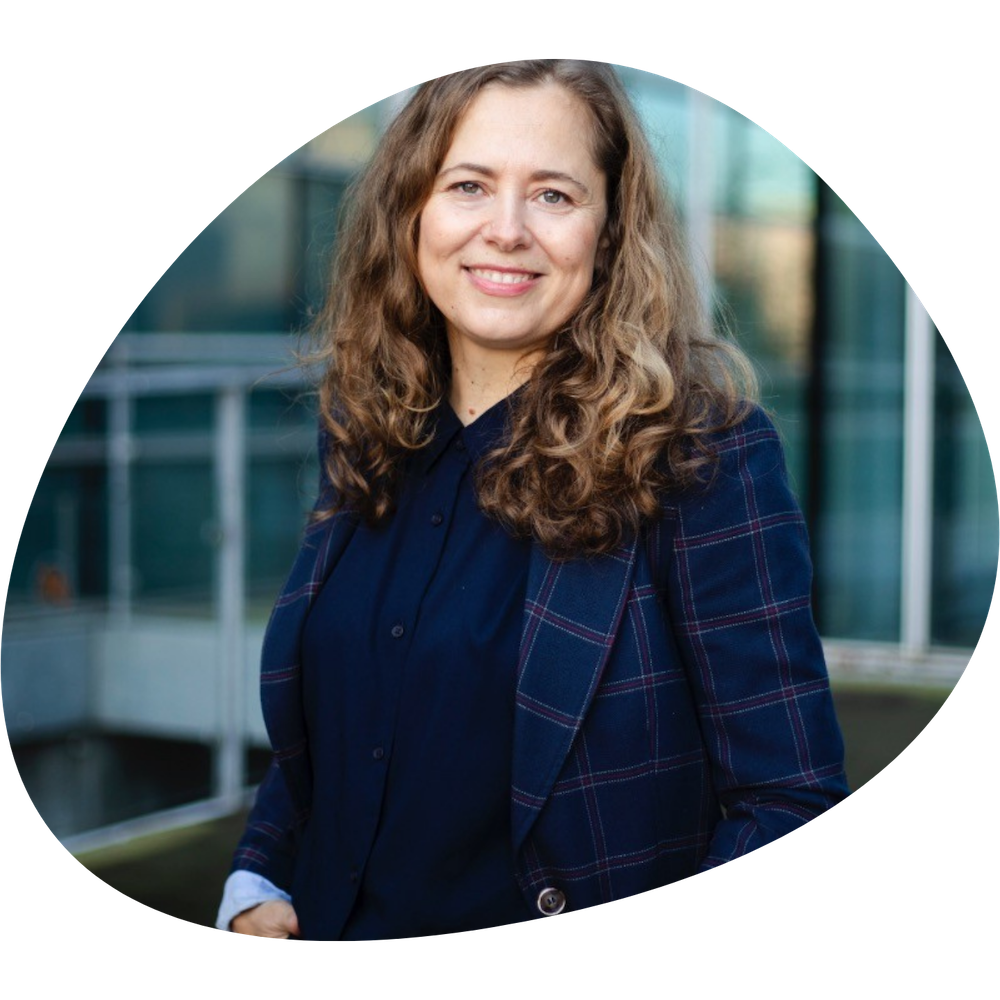
Sanna Marttila
Brigitte Vézina (Creative Commons) focused her talk Closing the gap in equitable access to heritage on the barriers that prevent access to public domain heritage online — legal restrictions, paywalls, and cultural heritage laws being misused to extend copyright. She called for international policy action through UNESCO around the Open Heritage Statement, framing openness as a structural principle for cultural heritage governance.
Matti Hakamäki (Finnish Folk Music Institute) in his presentation The Culture Goal – From Necessity to Reality on Culture2030Goal made a complementary argument: that without a dedicated culture goal in the post-2030 UN sustainability framework, other goals on climate, poverty, and social equity cannot be fully achieved, because all of them require shifts in cultural behaviour to succeed.
These perspectives were further grounded in the discussion hosted by Sanna Marttila (IT University of Copenhagen), that drew out practical questions of access, participation, and the responsibilities of institutions, governments, and technology companies toward culture as a public good.
Heritage at risk
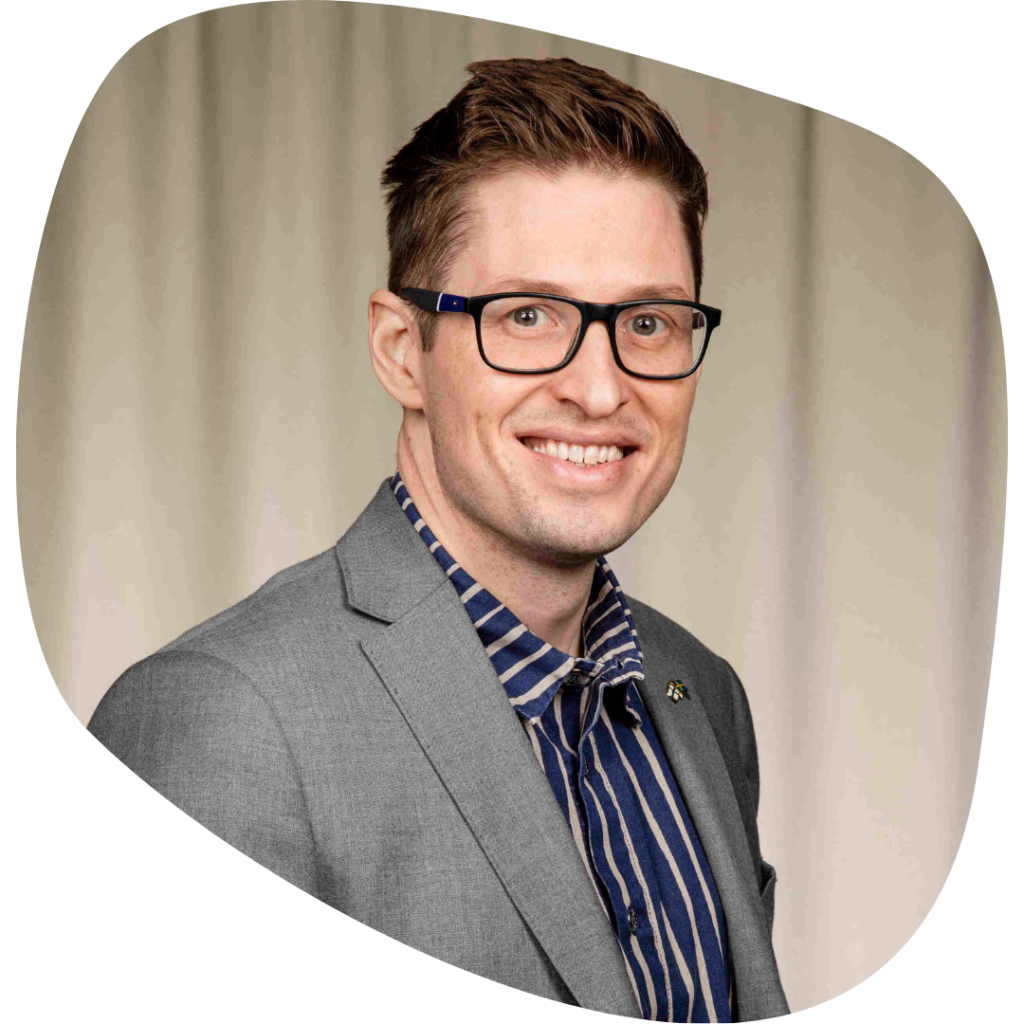
Mikael Hiltunen
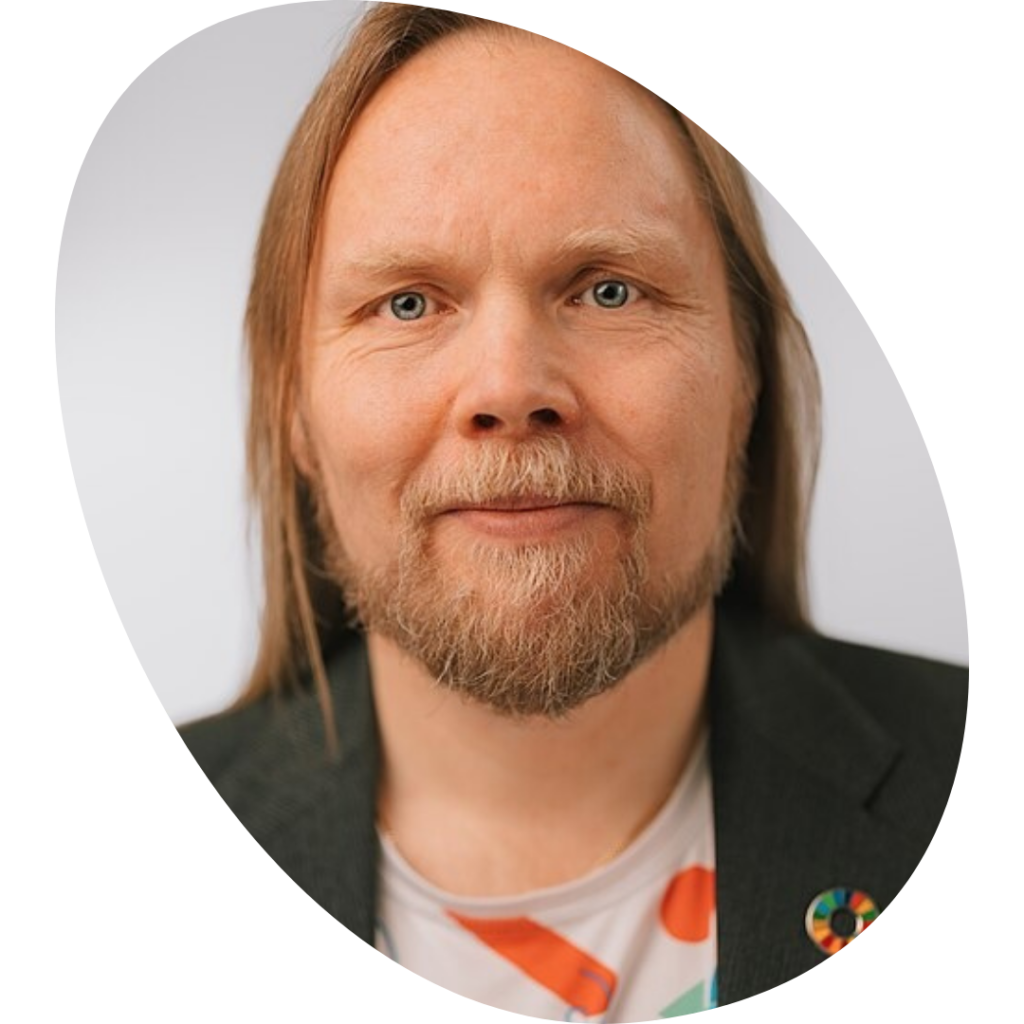
Jan Ainali
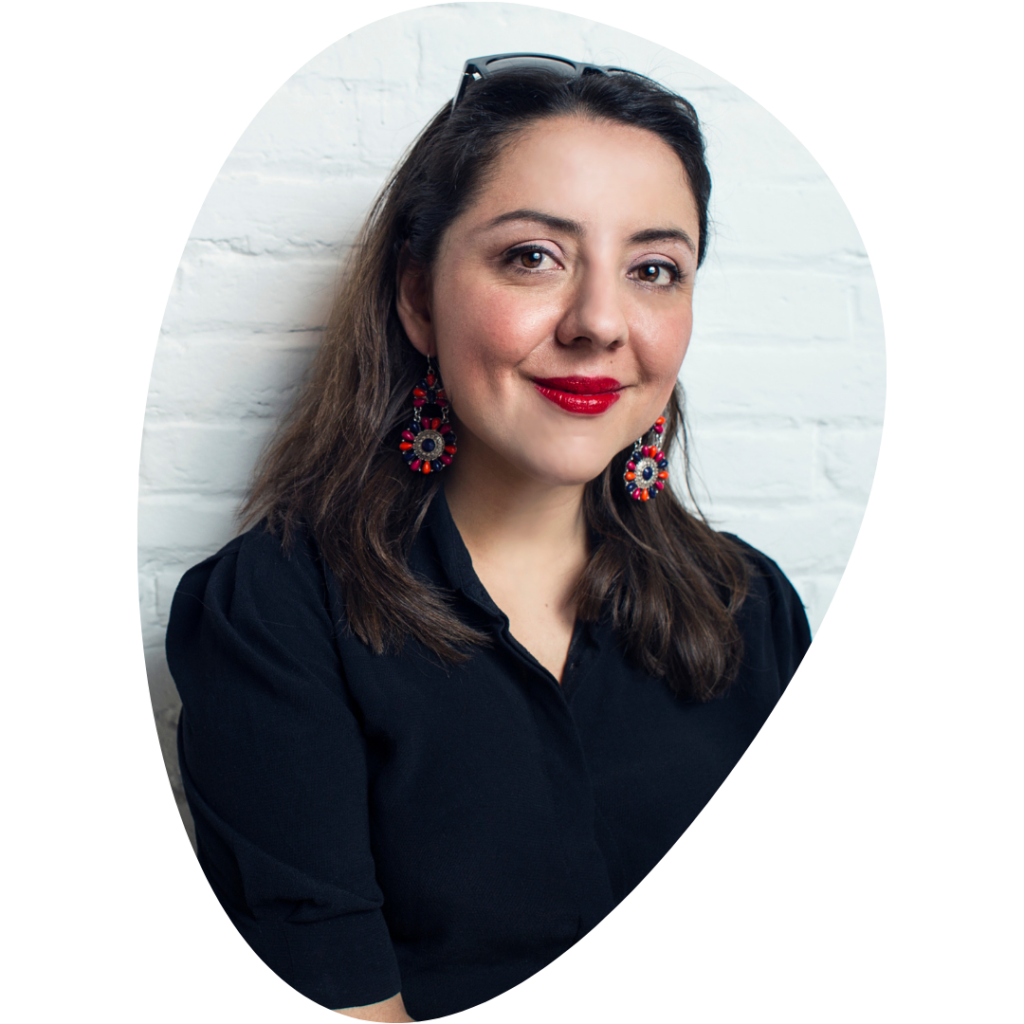
Renata Ávila
Mikael Hiltunen (Hanaholmen) in his keynote presented the Hanaholmen Heritage program and conference, a Nordic–Baltic policy initiative on cultural heritage preparedness in the face of conflict, hybrid threats, and geopolitical disruption. He argued for recognizing cultural heritage as critical infrastructure, expanding digitisation as both a preservation and counter-disinformation tool, and establishing a shared Nordic-Baltic cloud for storing heritage materials.
The framing was extended by Jan Ainali (Wikimedia Sweden) in a discussion connecting preparedness to open infrastructures and volunteer-driven documentation efforts such as Wiki Loves Monuments — and raising the risk that digitization without open licensing simply creates new silos.
The pre-event conversation chaired online by Renata Ávila (Open Knowledge Foundation) echoed similar concerns. It explored the Knowledge as Critical Digital Infrastructure initiative by Open Knowledge Foundation and Wikimedia Foundation, and framed open knowledge and the digital commons as essential infrastructure for democratic resilience in the context of geopolitical instability, platform dependency, and AI-related risks. The discussion is further documented by Renata in Open Knowledge and Critical Infrastructure: a Nordic Conversation.
Sovereign governance of digital heritage
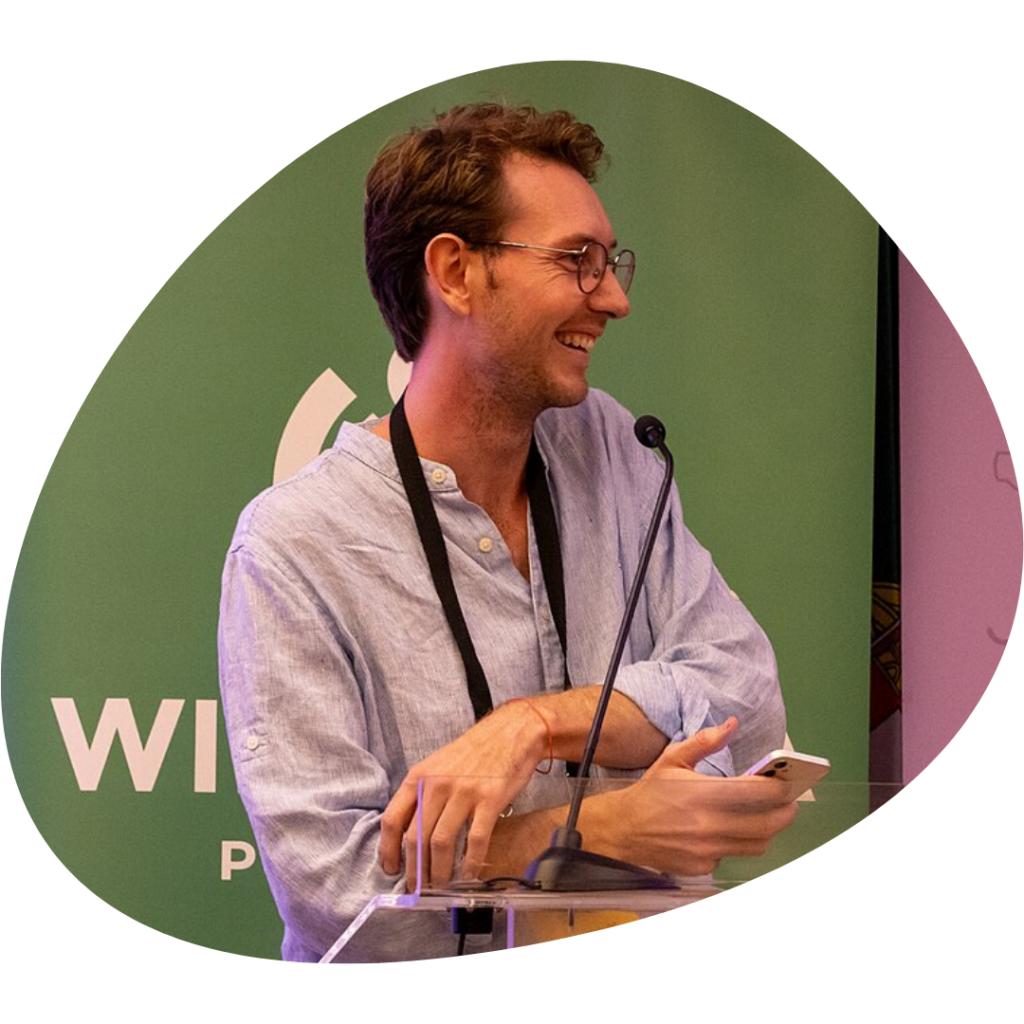
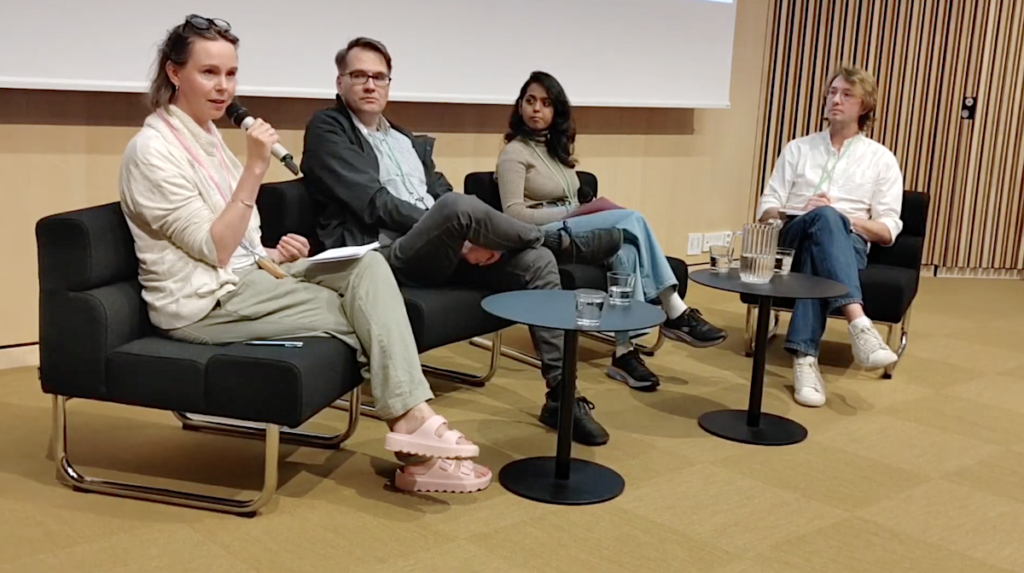
Tove Ørsted, Daniel Antal, Deepesha Burse and Connor Benedict
The panel discussion hosted by Connor Benedict (Content Partnerships Hub) on community resilience opened with examples of heritage brought into the open:
- Tove Ørsted (Aalto University) introduced the university’s century of architectural measurement drawings, now digitised and used to rebuild burnt homes and churches.
- Daniel Antal (Reprex / Wikimedia Hungary) presented his work connecting Livonian, Udmort, and other small Finno-Ugric communities to materials held about them in Finnish, Estonian, and Hungarian collections, which he also presented at the Open Culture Fair.
- Deepesha Burse (Wikimedia Deutschland) shared her work helping a Nigerian community document election violence on a Wikibase instance.
The panel asked who decides what gets saved — often already determined without communities knowing, with materials sitting in outside institutions, described in foreign languages, and out of reach for those they concern. Visibility alone is not enough: data must be structured, usable, and governable by communities themselves.
On AI, there was broad agreement that generative systems flatten cultural nuance and put under-represented knowledge at particular risk, making community control over reuse, backed by provenance and structured data, the most promising direction on offer.
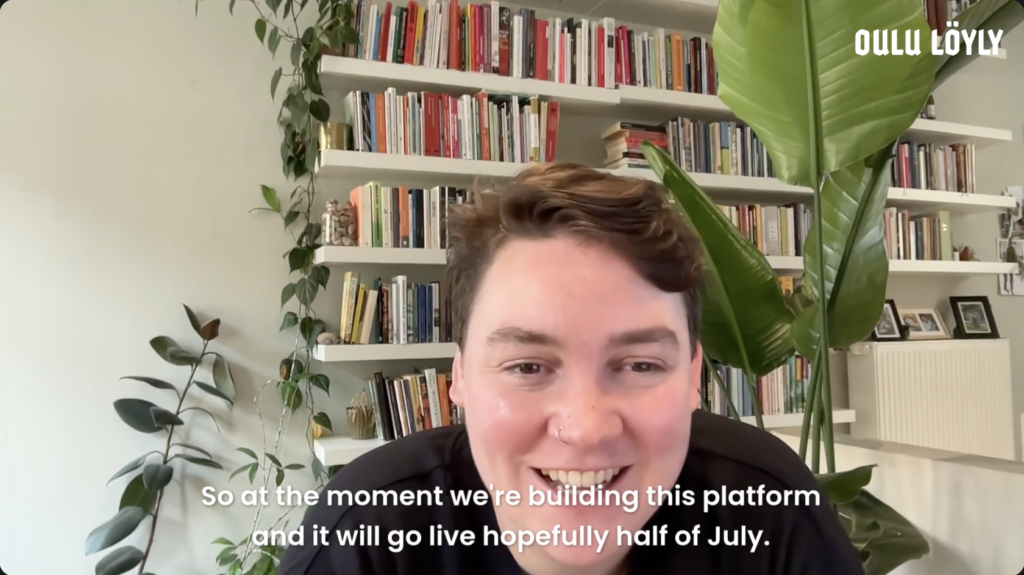
Sofie Veramme (Werkplaats immaterieel erfgoed) was interviewed for the Oulu Löyly podcast by Niina Holappa ahead of the event. Her core argument is that data about communities must come from those communities, and that people need to understand what happens to their data online — including the ability to change, opt out, or remove it. She references the FAIR and CARE principles as practical frameworks for this, and highlights the tension between the static nature of data and the living, changing nature of intangible heritage.
Equipping the cultural commons
Oulu Löyly brought together a set of initiatives around a shared vision: that open, federated infrastructure could form the foundation of a genuine cultural commons, where even small and under-resourced communities can contribute their heritage materials on equal terms. The Open Culture Fair highlighted initiatives ranging from tech to artwork demonstrations and workshops.
Jouni Tuominen (University of Helsinki) presented the ECHOES European Collaborative Cloud for Cultural Heritage (ECCCH) and the ECHOLOT EU project. Together with Europeana, the Common European Data Space for Cultural Heritage, and the European Open Science Cloud (EOSC), ECCCH represents Europe’s growing infrastructure for discovering, sharing, and collaborating around cultural heritage data — connecting heritage institutions, researchers, and communities across borders.
Deepesha Burse presented Wikibase and the broader Wikimedia ecosystem — Wikipedia, Wikidata, and Wikimedia Commons — a globally maintained open infrastructure for linked data, images, and knowledge, freely available for anyone to build upon.
The ECHOLOT project brings these two worlds into direct connection through a federated model: institutions and communities can maintain their own interoperable knowledge bases while contributing to a shared network, without surrendering control or depending on a centralised system, and publish simultaneously to Europeana and Wikimedia platforms with provenance and rights metadata embedded.
Jan Ainali offered a live demo of CommonsDB for making the rights status of materials verifiable and trustworthy as they travel across systems.
Johan Kylander presented Finland’s national long-term digital preservation services at CSC — Finland’s IT Center for Science. Such infrastructure represents a further opportunity for communities: the computing capacity for sovereign, community-accessible hosting already exists, but bringing it within reach of smaller actors requires political willingness to fund it as shared public infrastructure.
Beyond the infrastructure initiatives, the Open Culture Fair also featured a rich mix of projects, workshops, and demonstrations. Connor Benedict presented the Wikimedia Content Partnerships Hub. Vertti Luostarinen showed Layers in the Peace Machine, an immersive installation at Oulu City Hall using open-source AI and community memories. Lù Chén shared her work pluralising the Nokia Design Archive through social remembering. Hanna Sipos facilitated a workshop on the valuation of AI art. Ewen Chardronnet presented Makery’s publications on art, science, and technology. Andrew Paterson hosted the first in-person meeting of the Open Latitudes network, and Matti Hakamäki conducted a hands-on session on Culture as Sustainable Development Goal 18.
What came out
Think & do with mind & body
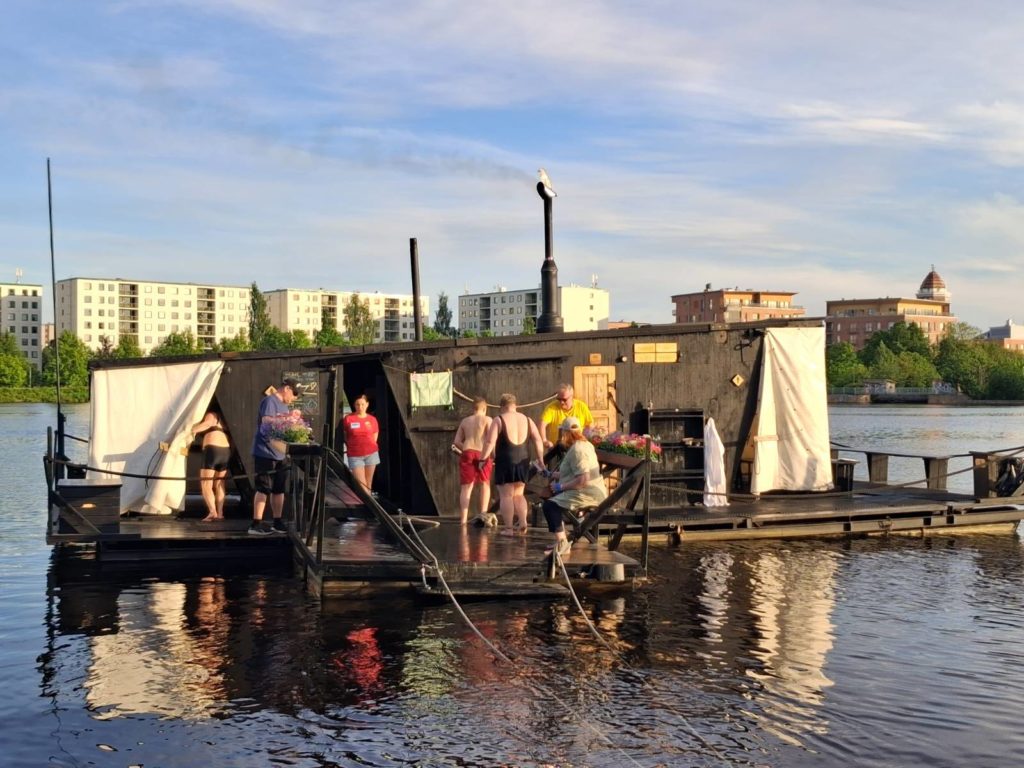
The first day of the Open Culture Fair with talks, demos and workshops concluded at the Oulu Sauna Festival, where more than ten temporary saunas along the Oulu River kept conversations going late into the bright summer evening.
Next morning, the participants of the Think & Do organized in groups based on shared concerns about heritage at risk. Each group then worked to agree on a shared mission statement and agreed on the output.
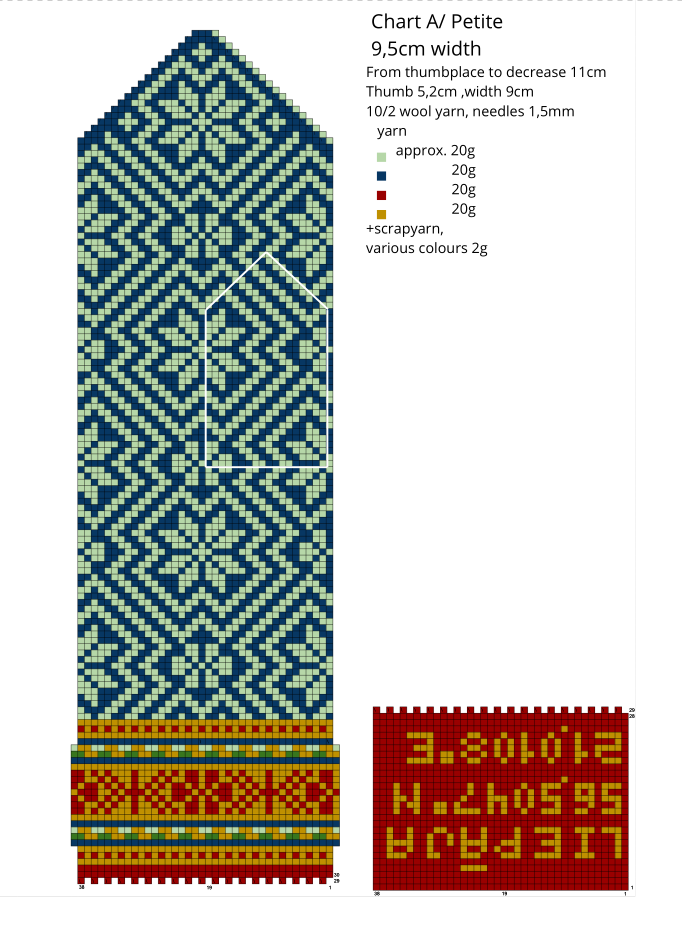
Mittens by Kerolaina Bula / Open Latitudes
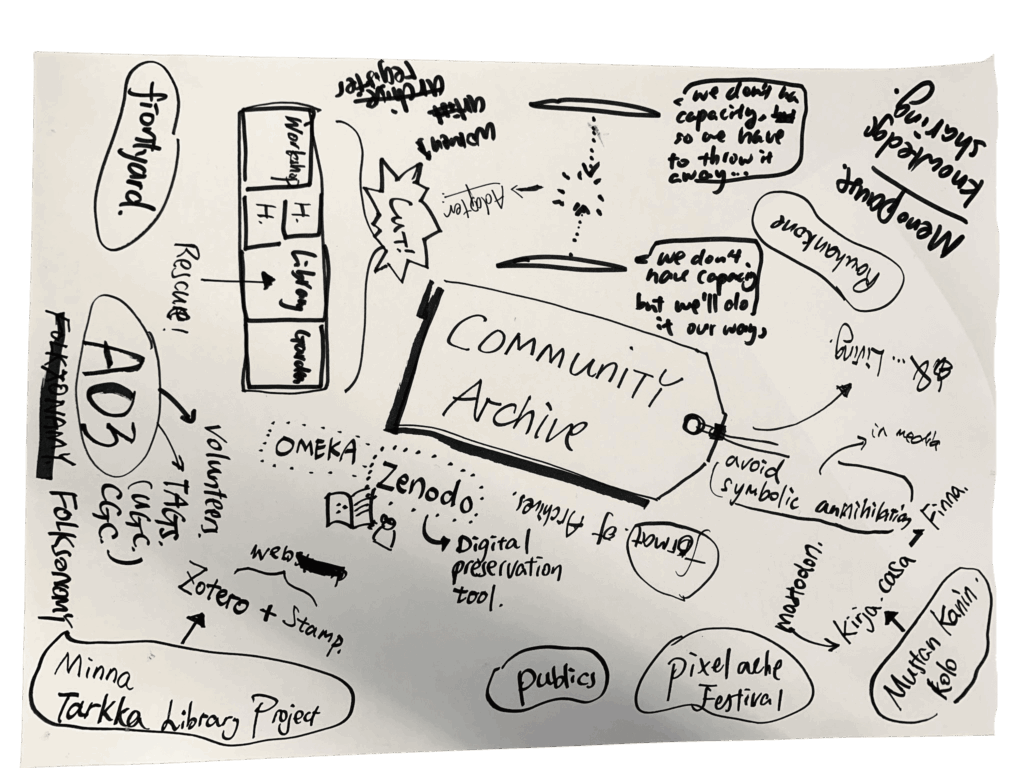
The Oral-to-Written project addressed how fluent speakers of Saami and other under-resourced languages can contribute knowledge without needing to be fluent writers, surfacing language trauma, trust, and technical barriers as equally important as infrastructure.
The May the Source Be With You group took up the reuse question directly, proposing transparency mechanisms — provenance, attribution, and bot identification — so that communities and institutions can trace how their openly shared materials are used, including by AI systems. Open cultural heritage depends on infrastructure that communities can actually use.
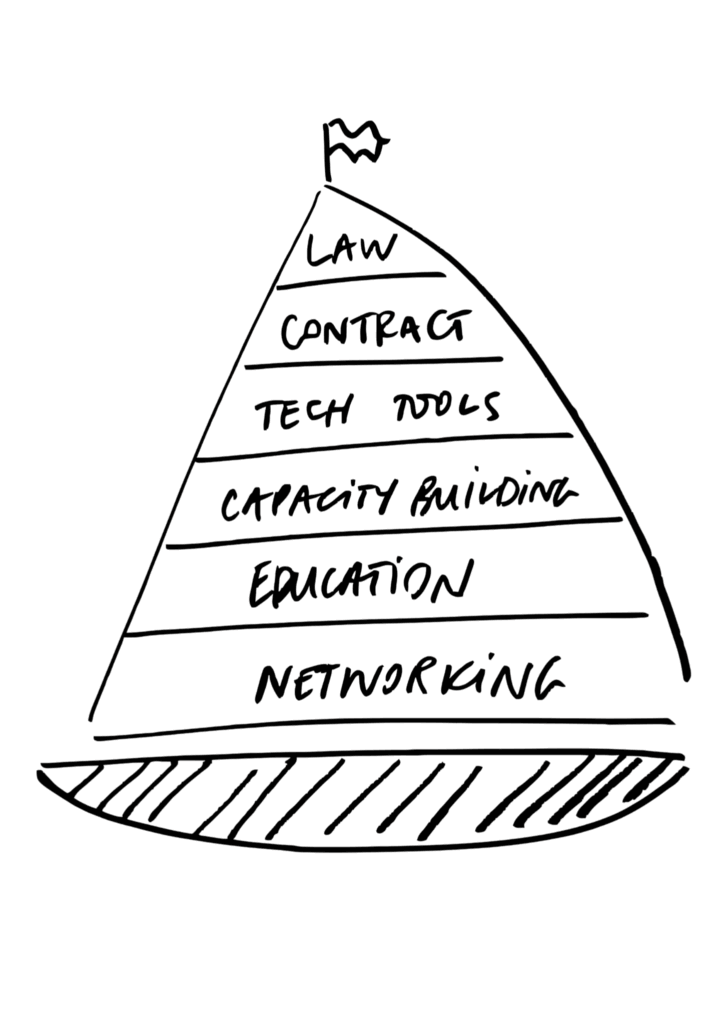
The SPECS for Low-Tech Infra for Communities project examined how small community organizations can build and sustain archives with low-cost, low-threshold tools — mapping practical “slots” of infrastructure rather than imposing institutional systems.
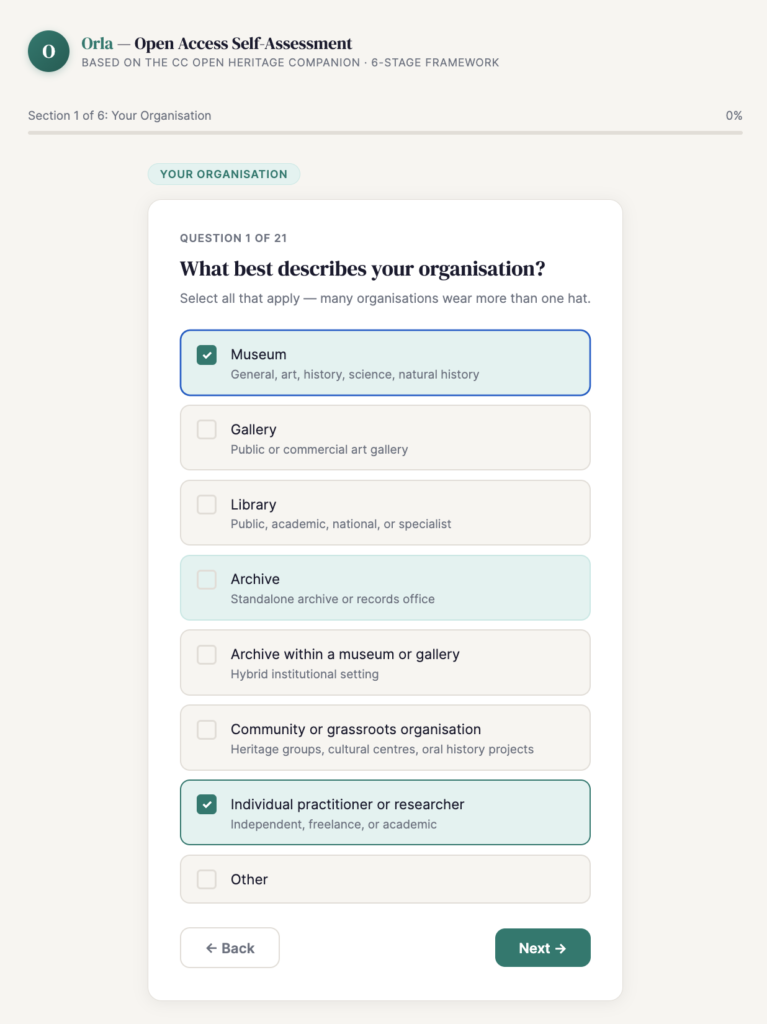
The ORLA — the Open Resource & Learning Assistant group created a self-assessment tool to help institutions identify their next steps toward open access. The working prototype was built using Claude.
ORLA combines the self-assessment tool with an AI-powered bot that guides users toward relevant resources and can help generate a project plan for moving from closed to open collections. The self-assessment works independently without additional services, while the bot requires an API key. Both are available on GitHub.
Open Latitudes is an ongoing one-year transdisciplinary network exploring solar-human relations across the Nordic and Baltic region, connected to the Liepāja 2027 European Capital of Culture program. The network brings together organizations working with local archives, community art, open knowledge, and environmental themes — including Pikene på Brøn from Norway, Imagining Godzilla from Finland, Makery from France, and a knitwear design project by Kerolaina Bula from Latvia. The case example at Oulu Löyly asked how open knowledge and heritage can be part of contemporary and hybrid arts production, with each partner exploring connections to Wikimedia platforms and Creative Commons licensing.
North is OK
Oulu Löyly brought new energy to Nordic and Baltic collaboration. It marked the launch of OK North, a new initiative bringing together open knowledge organizations from Finland, Denmark, Norway, Estonia, and Sweden to collaborate and share resources.
The event also coincided with the Wikimedia Northern Europe Meeting 2026, and brought the participants together for a joint webinar and meetup.
To top it all off, at the opening of Oulu Löyly, Wikimedia Finland announced that Finnish Wikipedians had been honored with the State Award for Public Information. Congratulations, Finnish Wikipedia! 🙌
Our recommendations
Treat open knowledge as critical infrastructure — Governments and institutions should formally recognize cultural heritage and open knowledge systems as critical digital infrastructure — as essential to democratic resilience as energy or transport networks, and equally exposed to geopolitical, platform, and AI-related risks.
Invest in the full spectrum of heritage preservation — proactive documentation and digitization should be standard practice and not only a crisis response. Technology is only as effective as the people behind it. The contributions of volunteers, communities, and cultural practitioners all deserve recognition and sustained support to help keep living traditions alive.
Establish permanent translocal cooperation structures — connecting institutions, civil society, and open knowledge networks around shared goals for cultural heritage and open knowledge. Crisis preparedness is a wake-up call to the importance of culture in building resilient and just societies, not just nation-building. Regional efforts gain momentum when connected to global frameworks and international institutions.
Build interoperable, federated knowledge systems — digital cultural heritage custodians should transition toward distributed operating models that enable local control while ensuring shared discoverability and reuse. The same logic applies both to national digital sovereignty and to the independence of small community archives from single commercial service providers.
Publicly co-funded regional cloud infrastructure, based on open and decentralized principles, would offer communities a practical and sovereign alternative to commercial platforms for storing and managing cultural heritage materials.
Custodians of cultural heritage should have more diverse and flexible options for defining the reuse conditions of their materials. This should be supported by provenance data, authorship information, and governance-related metadata that travels with the material.
Advance global policy frameworks for culture and heritage — culture’s place in international law must be strengthened. The Open Heritage Statement calls for closing the access gap, removing the legal, technical, and economic barriers that prevent people from accessing public domain heritage online. The Culture2030Goal calls for closing the policy gap, making culture a standalone pillar in the post-2030 sustainability framework. Culture and access must be considered in all policymaking.
P.S. We reserve the right to finetune our recommendation to better reflect the whole spectrum of input.
Documentation
All presentations and work is documented on the Documentation page. It includes
- Talks and discussions with links to presentations and recordings. The captions of the recordings have been proofread, so they can be watched in other languages as well.
- Think & Do projects with links to slides, recordings of the presentation, project pages on wiki and additional resources.
- The recordings are published on AvoinGLAM’s YouTube channel. Subscribe to stay updated!
- Openly licensed photos may be added to the joint Google photo album or a Wikimedia Commons category.
- The Pinboard and the podcast are works-in-progress. There was not enough time to create a representative collection of works highlighting these questions on the Pinboard or interview enough people to produce the podcast series. We intend to continue work with them outside the event documentation. They will be linked from the Documentation page when the time is right, and the podcast videos will feature on AvoinGLAM’s YouTube page.
What’s next?
Keep in contact!
- Learn more about Open Knowledge Finland, OK North and subscribe to our newsletter.
- Follow the AvoinGLAM community on Wikimedia Meta, Facebook and LinkedIn and read GLAM-Wiki community updates on This Month in GLAM.
Let’s work together!
on projects that tackle heritage at risk and strengthen the cultural commons.
Thank you!
Oulu Löyly was organized by AvoinGLAM and Open Knowledge Finland in partnership with Creative Commons, Wikimedia Finland, Wikimedia Eesti, Wikimedia Sverige, Wikitongues, and Anarâškielâ servi.
Special shoutout to the team who made the event happen: Sophea, Juliaana, Niina, Joy, Liisi, Marja, Tea, Teemu, Tochi, Tove, and Susanna and the Oulu2026 volunteers!
The Nordic Council of Ministers supports the OK North network initiative and its partners OpenDenmark, Creative Commons Norway, Open Knowledge Estonia, Open Knowledge Sweden ja Creative Commons Sweden from the Demos program.
Thank you for collaboration, Open Knowledge Foundation, Oulu Central Library Saari, Oulu Sauna Festival, Cafe Tarina, Luckan Uleåborg and Green Soul Catering.
The event was made possible with support from the Wikimedia Foundation.
Oulu Löyly was part of the official program of Oulu2026 – Cultural Capital of Europe and the International Archives Week.
#oululoyly #oululöyly #oulu2026 #IAW2026